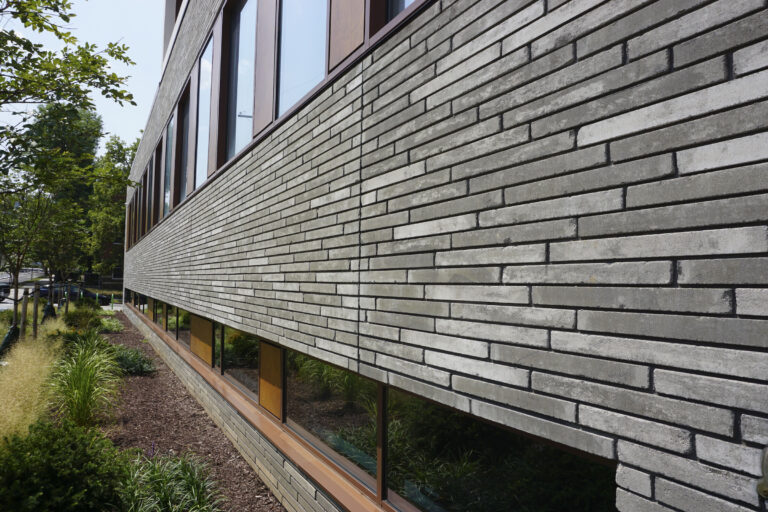
Comprehensive Guide to Stone Veneer vs. Siding — Cost, Durability & Installation
Explore our in-depth comparison of stone veneer vs. siding, including cost analysis, durability tips, and installation guides to choose the right option for your home.
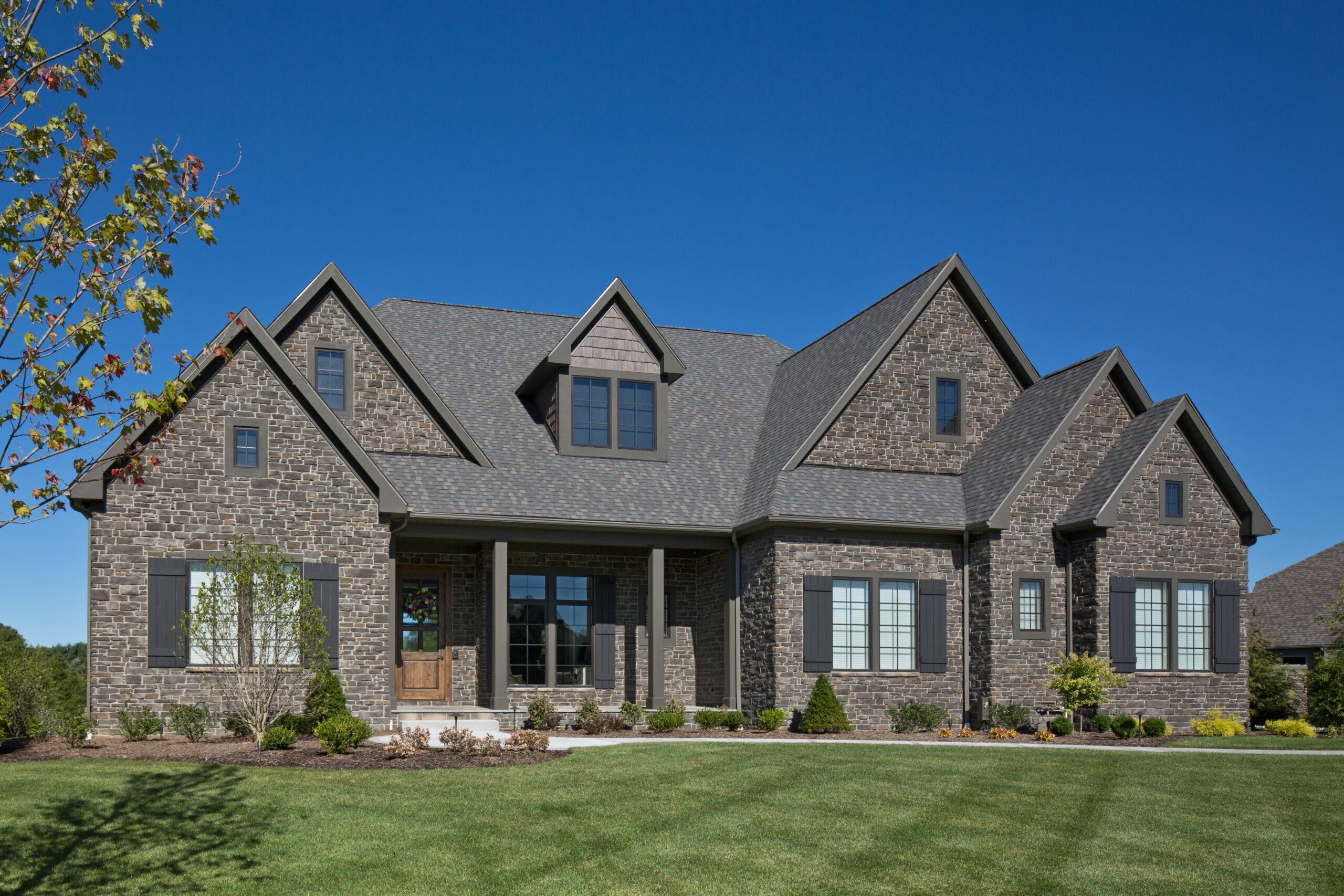
Comprehensive Guide to Stone Veneer vs. Siding — Cost, Durability & Installation
Use this guide to compare manufactured stone veneer (MSV), fiber cement, and vinyl siding. We cover real-world durability, maintenance, aesthetics, and budgeting with an interactive cost worksheet.
Executive summary
- Who this helps: DIY homeowners and builders evaluating curb appeal, longevity, and budget.
- Quick take: Vinyl often wins on first cost; fiber cement balances cost and durability; MSV maximizes perceived quality and resale impact.
- What to do next: Use the cost worksheet below, review installation considerations, and explore recommended profiles.
TL;DR — Key takeaways
- Manufactured stone veneer (MSV) delivers strong curb appeal and competitive ROI for exterior refresh projects.
- Vinyl is typically lowest first cost; fiber cement balances cost with durability; MSV maximizes perceived quality and resale impact.
- Choose based on budget, desired look, and lifespan/maintenance expectations.
At-a-glance comparison
| Factor | Manufactured Stone Veneer | Fiber Cement Siding | Vinyl Siding |
|---|---|---|---|
| First Cost | $$$ (premium look) | $$ (mid-range) | $ (budget-friendly) |
| ROI | Often leads exterior refresh payback | Strong, project-dependent | Good for basic refresh |
| Aesthetics | Authentic stone profiles, broad colorways | Painted/finished panels; wood-look options | Varies by brand; wood-look textures common |
| Durability | Cement-based; weather resistant | Highly durable; resists rot/insects | Resists rot; can warp if installed poorly |
| Maintenance | Low | Low to moderate (repainting/recaulking over time) | Low |
| Install Difficulty | Pro mason recommended | Pro siding crew | DIY-friendly for experienced installers |
| Typical Lifespan | 25–50+ years (installation/brand dependent) | Up to ~60 years with care | ~30–40 years |
| Best For | Premium curb appeal; accent walls and full facades | Balanced performance and cost | Budget exterior updates |
Pros and cons by material
Manufactured Stone Veneer (MSV)
- Pros: Premium look; broad profiles/colors; excellent for focal areas; low routine care.
- Cons: Higher first cost; pro installation recommended.
Fiber Cement
- Pros: Durable; fire/insect resistant; repaintable for long life.
- Cons: Heavier panels; periodic repainting/recaulking may be needed.
Vinyl
- Pros: Lowest upfront cost; light weight; broad availability.
- Cons: Visual seams; can appear wavy if not installed properly.
Cost & Return on Investment
When placing manufactured stone veneer vs. siding side by side, manufactured stone is often the more premium-priced option for first cost, especially compared to traditional vinyl siding. But the price tag is only part of the story. Project-level data shows MSV frequently delivering strong resale impact and perceived quality in exterior refreshes. For broader context on payback across exterior project types, see industry Cost vs. Value reporting for the current year.
Interactive regional cost worksheet
Use this simple worksheet to estimate your project budget. Enter your local per-square-foot quote from a contractor (or your own material + labor estimate) and the size of the area to be covered. This tool is for rough planning only and does not replace a professional quote.
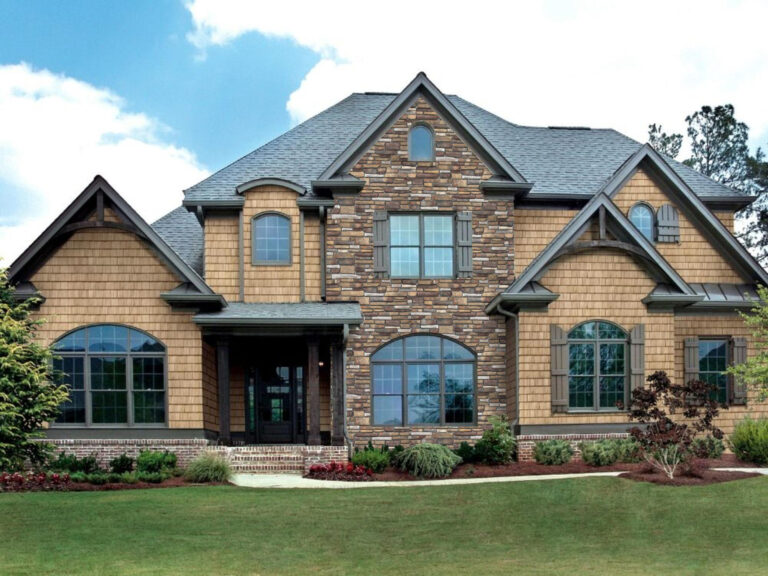
Tip: Consider blending materials—MSV accents with fiber cement or vinyl fields—to elevate curb appeal while controlling budget.
Aesthetic comparisons
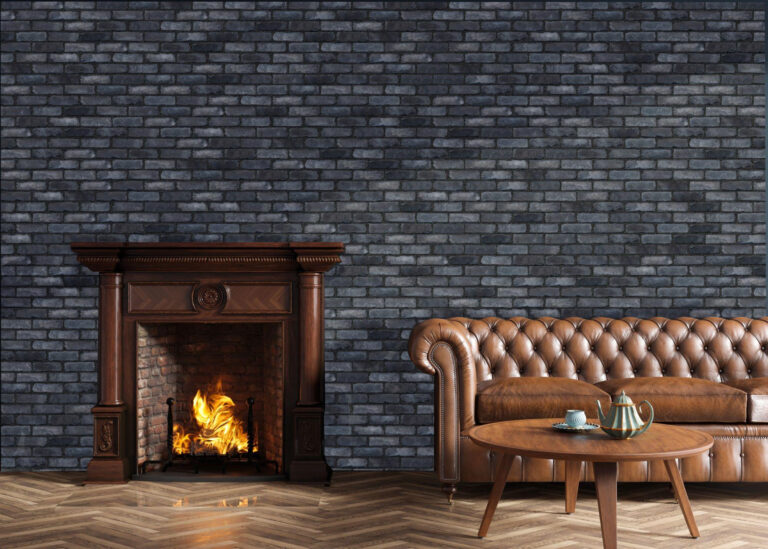
Manufactured stone veneer directly replicates stone found in nature—typically using actual stones to craft molds—at a lower price point than full-bed stone. Vinyl and fiber cement siding surfaces often are designed to replicate wood grain, but authenticity varies by brand and finish.
MSV also brings stone profiles and colors that can be hard to source locally with natural stone or clay brick. With MSV, you can select looks that may otherwise be unavailable due to quarry location, supply, or cost.
Wall appearance details
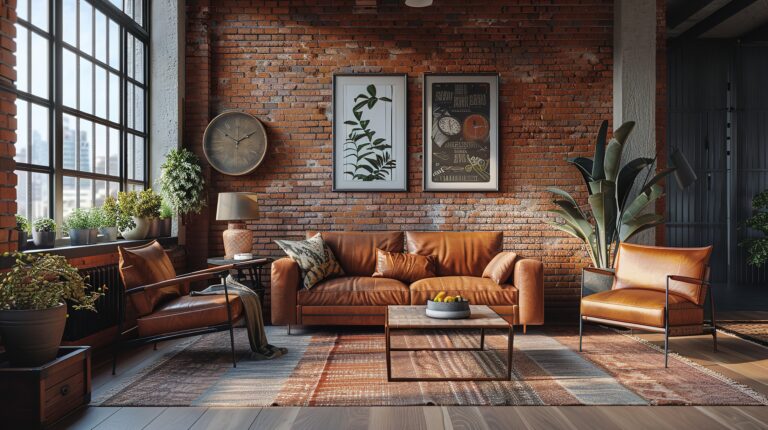
Beyond authentic looks, manufactured stone veneer delivers a solid, dimensional appearance on the wall, with blends and shapes limited only by installer imagination. Vinyl siding can appear wavy on the wall if not fastened properly and typically shows visible seams.
Durability & Maintenance
Cement-based claddings like manufactured stone and fiber cement perform well across wind, heat, and routine environmental exposure when installed to manufacturer guidelines. Vinyl resists rot and can perform well when properly installed. Routine care is generally light for all three; fiber cement coatings may require repainting and joints may need periodic recaulk depending on brand and exposure. Always follow manufacturer instructions and local code requirements.
Installation considerations & guides
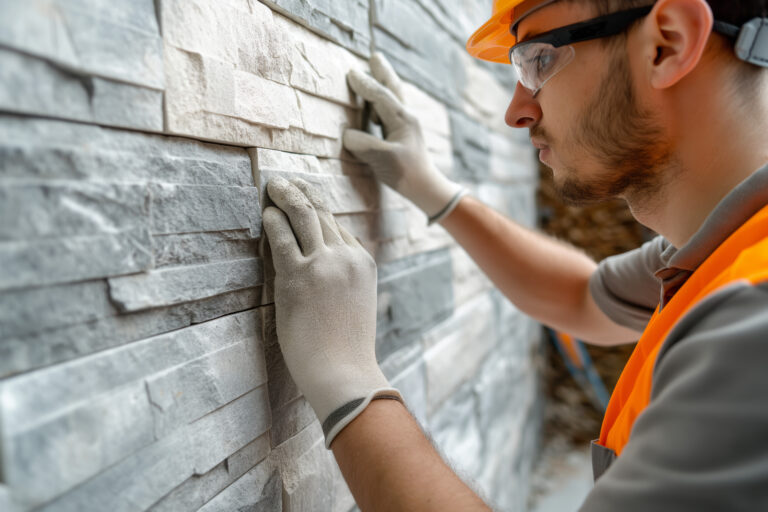
With panelized installation, vinyl siding has a lower learning curve and can be hung by siding contractors and experienced DIYers. Manufactured stone veneer is typically installed by masons and benefits from trained pros.
For training and best practices, see the MSV installer education resources from CMHA. Professional installation helps ensure performance, aesthetics, and warranty compliance.
Video learning
How to choose — practical recommendations
- Define the goal: Maximizing curb appeal and resale impact? MSV shines for focal areas and full facades.
- Map the budget: If first cost is primary, vinyl provides the lowest upfront price; fiber cement is a durable mid-range option.
- Blend materials: Combine MSV accents with fiber cement or vinyl fields to control cost while elevating the look.
Explore popular profiles and inspiration
- Canyon Stone — rugged, natural character
- Vintage Brick — elongated modern brick profiles
- Reclaimed Brick — historic texture and warmth
- Mountain Ledge — timeless ledgestone appeal
FAQs
How long does manufactured stone veneer last?
With proper installation and care, MSV commonly lasts 25–50+ years.
Is manufactured stone veneer durable in harsh weather?
Yes. As a cement-based cladding, MSV is designed to withstand wind, heat, and routine environmental exposure.
Which siding option offers the best ROI?
Project-level data shows MSV often leads exterior refresh ROI. Consult current Cost vs. Value reporting for details and confirm with your contractor for localized expectations.
Can I combine stone veneer with other siding?
Yes. Many projects blend MSV on focal areas with fiber cement or vinyl on field areas to balance budget and impact.
Can MSV be installed over existing siding?
Only where allowed by code and manufacturer instructions. Substrates must be properly prepared with weather-resistive barriers, lath, and flashing per specifications.
Next steps
Ready to plan your project? Explore product pages above, then contact us to discuss samples and availability.
Photo Courtesy of Instone / featuring Dutch Quality: Ashen Weather Ledge • Resources: CMHA: Concrete Masonry & Hardscapes Association